
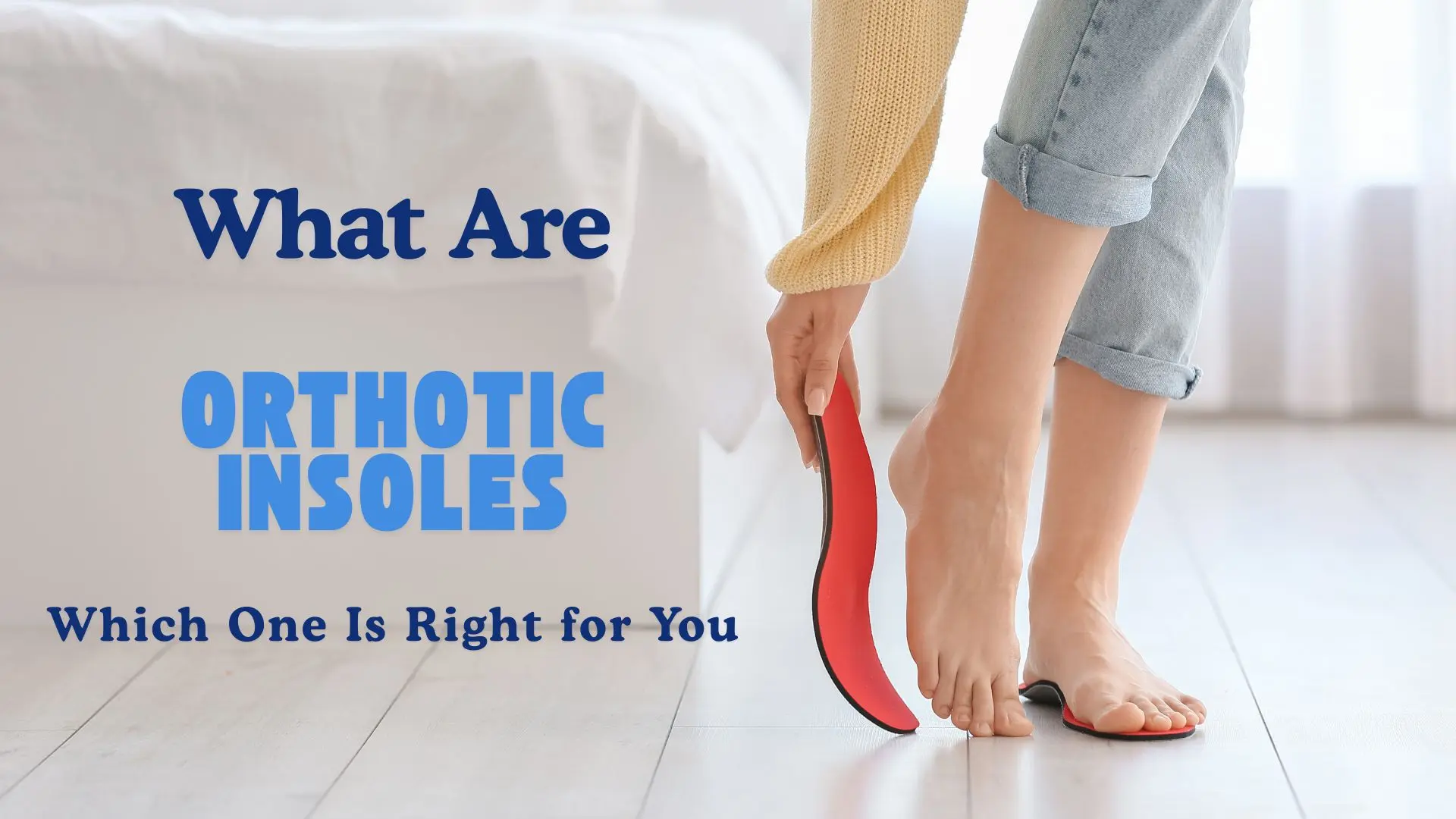
Foot pain is one of the most common problems that many people ignore until it starts affecting daily life. Whether you are walking long distances, standing all day at work, or exercising regularly, your feet take on constant pressure. Over time, this can lead to discomfort, poor posture, and even long term issues in your knees and back.
Many people do not realize that small imbalances in foot structure can gradually affect the entire body. Pain that starts at the feet can spread upward and impact movement, stability, and overall quality of life.
Orthotic insoles are designed to solve these problems at the root cause. Instead of only adding softness, they help support foot structure, improve balance, and reduce pressure on key areas. Understanding how they work and how to choose the right type can help you improve both comfort and overall body alignment.In modern lifestyles where people spend long hours standing or wearing unsupportive footwear, using Orthotic insoles is no longer just a solution for pain but also a preventive approach to long term health.
What Are Orthotic Insoles and Why They Matter for Your Foot Health
Orthotic insoles are specially designed shoe inserts that support the natural structure of your feet. Unlike basic inserts, they are created using principles of foot anatomy and biomechanics. Their main goal is to improve alignment, distribute weight evenly, and provide stability during movement.
Many people think they are just soft accessories, but in reality they are tools that help correct how your body moves. This makes Orthotic inserts an important innovation in foot care.
They are also widely used not only for people with foot pain but for those who want to improve performance and reduce fatigue in daily activities. From office workers to athletes, Orthotic inserts can provide noticeable benefits when used correctly.
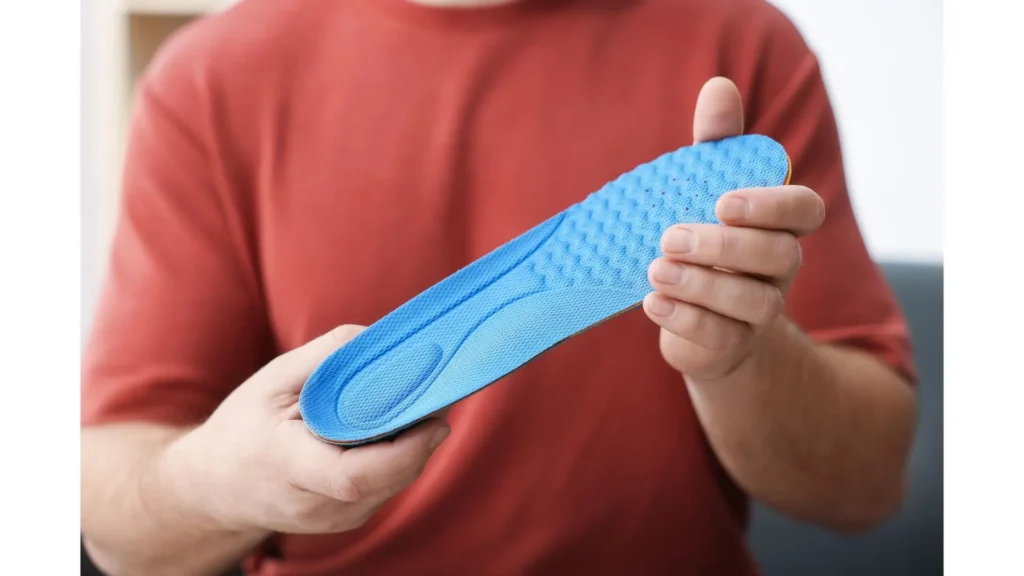
Regular Insoles vs Orthotic Insoles: What Makes Them Different
Regular insoles are typically made for short term comfort. They are often flat or lightly cushioned and do not provide targeted support.
Orthotic inserts are different because they are structured to support the arch and guide proper foot positioning. This helps reduce pressure on specific points and improves how weight is distributed across the foot.
Another key difference is durability and effectiveness over time. Regular insoles may lose shape quickly, while Orthotic inserts are designed to maintain structure and support even with daily use.
How Orthotic Insoles Work to Improve Balance and Body Alignment
The way your feet interact with the ground affects your entire body. This concept is known as the kinetic chain.
Orthotic inserts help control foot movement and improve alignment. When your feet are properly supported, it can reduce strain on your ankles, knees, hips, and spine. This is why many people experience not only foot relief but also overall body comfort.
When alignment improves, your muscles work more efficiently and your body uses less energy during movement. This leads to better posture, reduced fatigue, and improved long term mobility.
5 Powerful Benefits of Orthotic Insoles You Should Know
Many people ask if using insoles is really necessary. The benefits clearly show why Orthotic inserts are worth considering for both comfort and long term health.
1 Reduce Foot Fatigue from Standing or Walking All Day
Standing or walking for long periods can cause pressure to build up in your feet. Orthotic inserts help distribute this pressure more evenly, reducing fatigue and making daily activities more comfortable.
This is especially useful for people who work long hours on their feet, such as retail staff or office workers. Less fatigue means better focus and improved productivity throughout the day.

2 Relieve Heel Pain from Plantar Fasciitis
Plantar fasciitis is one of the most common causes of heel pain, especially in the morning. Proper arch support from Orthotic inserts can reduce tension in the plantar fascia and help relieve symptoms over time.
Early support is important because untreated symptoms can become chronic. Using the right support helps reduce inflammation and allows the foot to recover naturally.
3 Improve Walking Stability and Balance
Good foot alignment improves balance and movement control. Custom insoles help guide your feet into a more natural position, making movement more stable and reducing the risk of injury.
This is particularly important for older adults or people who experience instability while walking. Better balance leads to more confidence in daily activities.
4 Reduce Impact and Protect Your Joints
Every step creates impact that travels through your body. Shock absorbing materials in Orthotic insoles help reduce the force on your knees and hips, protecting your joints in the long term.
For active individuals, this also means better endurance and reduced risk of overuse injuries during exercise or sports.
5 Distribute Weight Evenly Across Your Feet
Uneven weight distribution can lead to pain, calluses, and pressure points. Orthotic inserts help spread pressure across the foot, reducing stress on specific areas.
Balanced pressure not only improves comfort but also prevents long term skin and structural issues caused by repeated stress.
How to Choose the Right Orthotic Insoles for Your Needs
Choosing the right option depends on your foot type and lifestyle. Orthotic inserts should match both your structure and your daily activities for the best results.
There is no single solution that fits everyone. Understanding your needs helps you choose more effectively and avoid discomfort from using the wrong type.
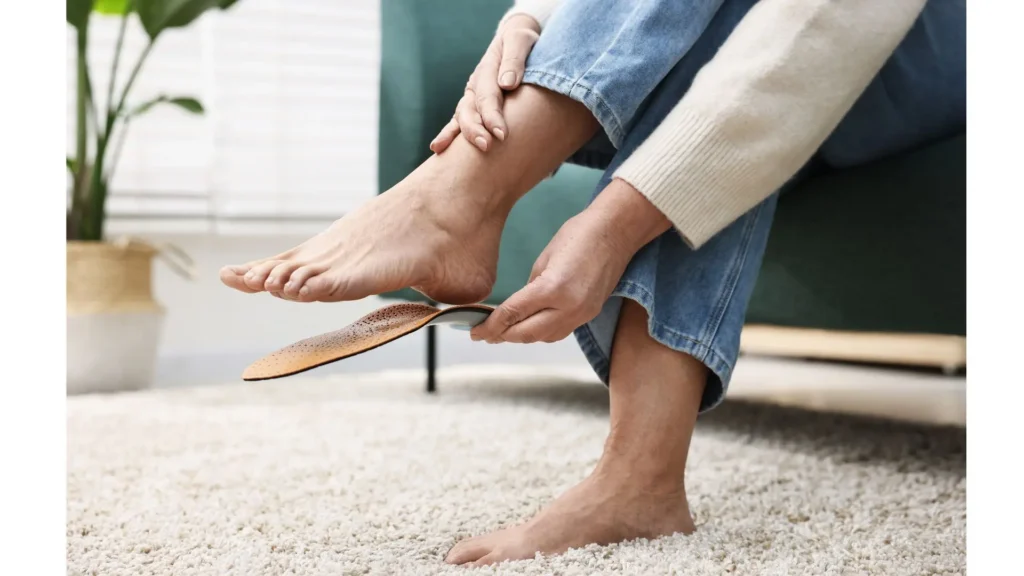
Choose Based on Your Arch Type Flat Feet or High Arch
Flat feet need more support to prevent inward rolling and improve alignment.
High arches need cushioning to absorb impact and reduce pressure on the heel and forefoot.
If you are unsure about your arch type, a simple footprint test or consultation with a specialist can help. Choosing the correct Orthotic insoles based on your arch type ensures better comfort and long term support.
Choose Based on Your Daily Activities and Lifestyle
If you stand or walk all day, focus on comfort and consistent support.
If you run or exercise, choose Custom insoles designed for performance and shock absorption.
Different activities place different demands on your feet, so selecting the right type based on usage is essential for effectiveness.

Quick Guide Choose the Best Orthotic Insoles for You
Usage | Recommendation
Flat feet | Strong arch support
High arch | Cushioning support
Standing long hours | Comfort design
Running | Performance design
How to Care for Orthotic Insoles to Keep Them Effective Longer
Taking care of your insoles helps them last longer and maintain effectiveness. Proper maintenance ensures that Orthotic inserts continue to provide the support you need.
Regular care also helps maintain hygiene and prevents odor buildup, especially with daily use.
Signs It Is Time to Replace Your Orthotic Insoles
If they lose shape, flatten, or no longer provide support, it is time to replace them.
Using worn out Orthotic inserts can reduce effectiveness and may lead to discomfort returning over time.
How to Clean Orthotic Insoles Properly Without Damage
Use mild soap and air dry to clean your insoles. Avoid direct sunlight or high heat, as this can damage the material and reduce performance.
Proper cleaning helps maintain both comfort and durability.
Why Experts Recommend Orthotic Insoles for Long Term Foot Health
Many physical therapists recommend Orthotic insoles as part of preventive care rather than waiting for pain to develop.
Supporting your feet early can reduce the risk of long term problems and improve overall movement efficiency.
Long Term Effects of Ignoring Foot Support
Ignoring foot health can lead to chronic pain in the back, knees, and joints over time.
Small issues can develop into larger problems if left untreated. Using Orthotic insoles early helps reduce long term risks and supports better posture.
Who Should Start Using Orthotic Insoles Today
- People who stand all day
- Athletes and active individuals
- Older adults
- People with foot pain
Even people without symptoms can benefit from using Orthotic inserts as a preventive measure to maintain long term comfort and mobility.
Frequently Asked Questions About Orthotic Insoles
Is It Normal to Feel Discomfort When First Using Orthotic Insoles
Yes, it is normal to feel slight discomfort when you first start using Orthotic inserts. Your feet need time to adjust to the new support and alignment. This adjustment period usually lasts around 7 to 14 days. During this time, your muscles and joints adapt to better positioning, which helps improve long term comfort and stability.
How Long Do Orthotic Insoles Typically Last
The lifespan depends on material quality and usage. On average, Orthotic inserts last between 6 to 12 months. If you use them daily, they may wear out faster. Signs for replacement include flattening, reduced support, or discomfort returning during use.
Can You Use Orthotic inserts with Any Type of Shoes
Yes, Orthotic inserts can be used with most types of shoes. However, for tighter shoes, thinner designs or partial length options may be more suitable. Choosing the right fit ensures comfort without affecting your footwear.
Do Orthotic inserts Help Reduce Back Pain
Yes, Orthotic inserts can help reduce back pain by improving alignment. When your feet are supported correctly, your posture improves and reduces strain on your spine, especially during long periods of standing or walking.
Are Orthotic inserts Suitable for Sports and Running
Yes, many athletes use Orthotic inserts to improve performance and reduce injury risk. They provide stability and shock absorption, helping protect joints during high impact activities.
Are Orthotic inserts Worth the Investment
Orthotic inserts are a cost effective solution compared to frequent treatments. They provide daily support and help prevent long term problems, making them a valuable investment for overall health.
Summary Why Orthotic Insoles Are Worth It for Your Health
Orthotic insoles are more than just shoe accessories. They are tools that support your feet, improve alignment, and reduce pain.
By choosing the right type based on your needs and using them consistently, you can improve comfort, prevent long term issues, and maintain better overall health. Investing in proper foot support today can lead to better movement and quality of life in the future.
