
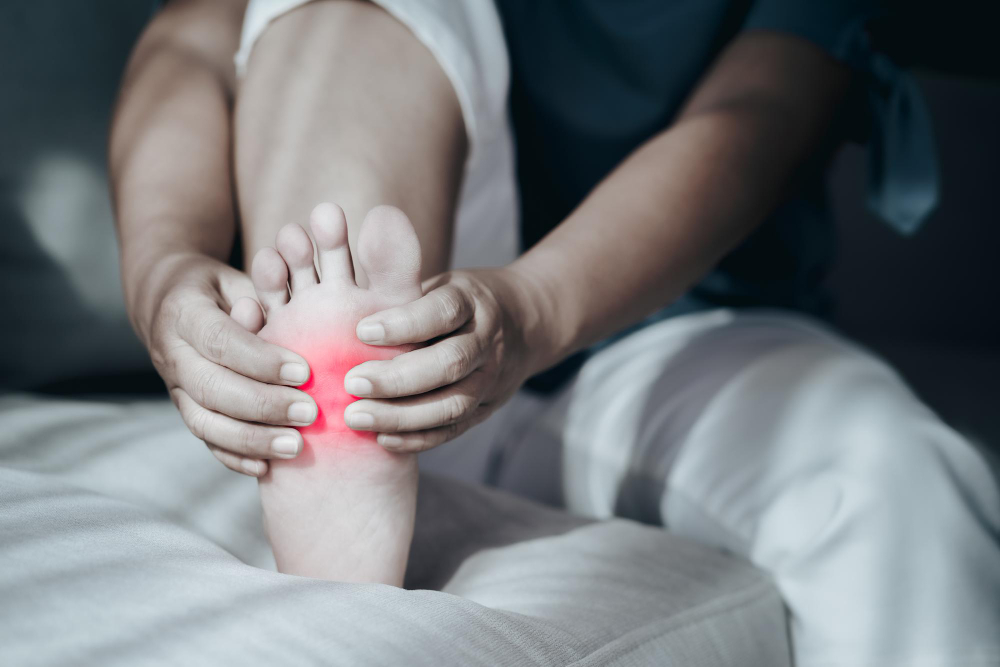
Arch pain is a common and frustrating foot issue that often creeps up gradually, especially for people who spend long hours on their feet. It refers to discomfort or soreness in the curved area along the bottom of your foot, between the heel and ball. This pain can range from a dull ache to a sharp, stabbing sensation and often becomes more noticeable after prolonged walking, standing or high impact activities like running or jumping.
One of the most common underlying causes is plantar fasciitis, a condition that involves inflammation of the thick band of tissue (the plantar fascia) that runs along the bottom of the foot. But arch pain can also come from overuse, wearing unsupportive shoes, weight changes or even direct injury. It’s not always caused by one big event and sometimes it’s the result of repeated stress on your feet over time. If left untreated, what starts as a mild nuisance can become a chronic issue that interferes with daily life.
Understanding Your Arch Type Matters
Not everyone’s feet are the same and the type of arch you have can play a big role in whether or not you’re prone to pain. Your arch is meant to help distribute your weight and absorb shock, so if it’s not doing that efficiently, discomfort often follows.
Low arches (also called flat feet) and high arches are the usual suspects. People with flat feet tend to have little to no curve in their midfoot, which means the foot rolls inward too much, placing extra stress on muscles and ligaments. Additionally, high arches don’t absorb impact as well because the weight isn’t distributed evenly, which can cause strain through the heel and ball of the foot.
Knowing your arch type is key to finding the right support, and a quick DIY way to check is by doing a wet footprint test, which can be done by simply stepping onto a piece of paper or a surface that will hold the shape. A wide, full print usually indicates low arches, while a narrow or disconnected middle part points to high arches.
Signs and Symptoms of Arch Pain
Arch pain doesn’t always show up suddenly and for many people, it starts with a subtle feeling of tightness or soreness after being on their feet for too long. Common signs and symptoms include:
- Tightness or soreness after standing or being on your feet for long periods
- Bruised or throbbing sensation through the midfoot, often after exercise
- Sharp pain when walking barefoot on hard surfaces
- Discomfort in shoes that lack cushioning or arch support
- Difficulty walking or altered stride in more severe cases, which can lead to knee, hip or lower back pain
Whilst it’s often manageable at home, if the pain doesn’t ease up after a few days of rest or continues to get worse, it might be a good idea to consult a medical professional to rule out more serious issues.
Everyday Ways to Manage and Relieve Arch Pain
Most people don’t need drastic treatments to find relief from arch pain. And often, it’s about making a few simple changes to give your feet the support they need. One of the most effective things you can do is invest in high quality insoles that provide arch support. Look for ones made with cushioned foam or gel that contour to your feet and offer consistent support throughout the day, not just at the heel, but through the entire arch area.
Wearing supportive shoes is just as important, so if your current footwear is too tight, worn out or completely flat, it’s time to make a change. Shoes with good arch support with a firm midsole and enough cushioning will significantly reduce the stress placed on your arches.
Giving your feet some daily TLC also goes a long way as well. Gentle stretching exercises for your arches and calves along with regular foot massages or rolling a tennis ball under your foot, can help improve circulation and reduce tightness. Avoiding high heels and taking breaks to sit down during long periods of standing can also prevent pain from becoming a bigger issue.
